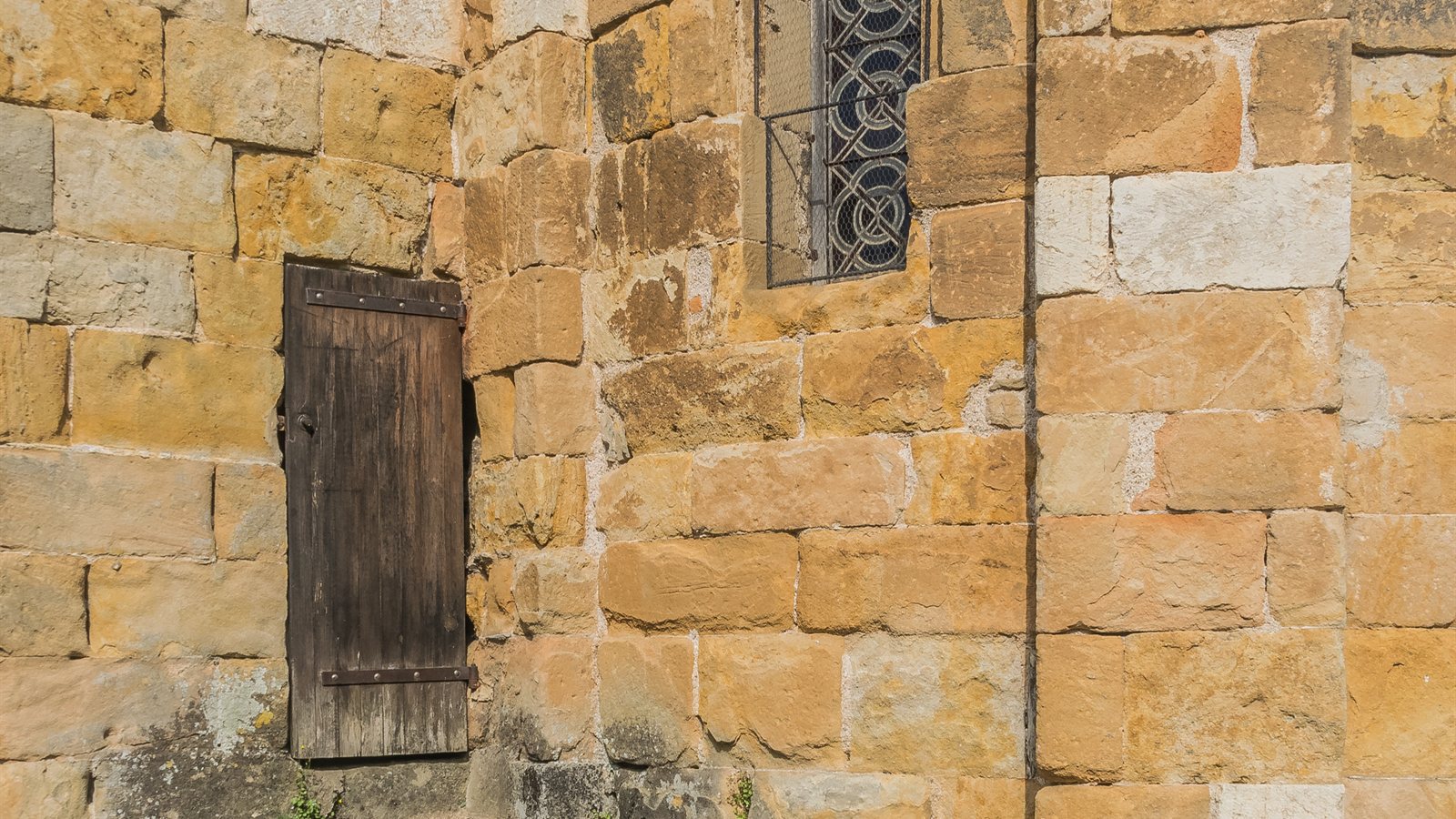
Lime, Never Cement
A cement pointed wall cannot breathe, so moisture that used to evaporate through the joints leaves through the stone instead, taking the face of it with it. Within a decade you see spalling, salt bloom and rot in the timbers behind. We use matured lime putty mortars mixed to suit the stone, softer than the masonry by design, so the mortar sacrifices itself rather than the building. Removing previous cement work is often the largest single item on our quotations.
Reading Cracks Before Reacting
Every old building has cracks and most of them are historic, stable and structurally irrelevant. The dangerous ones are usually thinner and rarely where a worried owner is pointing. We monitor with tell-tales across a season, examine the pattern rather than the width, and look at what the ground is doing before blaming the wall. Half our surveys conclude that the movement finished generations ago and the money is better spent on the roof.
Rock-Cut Rooms Understood
Cutting into soft rock behaves nothing like building with stone: the material varies within a single wall, it flakes when it dries too fast, and an enlarged opening can quietly remove the support a ceiling relied on. Our specialist works by hand, takes ceilings and thresholds as fixed unless proven otherwise, and treats existing niches, chimneys and cisterns as evidence about how the space was used rather than as obstacles to a new layout.
Damp Solved by Drying, Not Sealing
The instinct with a wet wall is to seal it, and it is almost always wrong: waterproof renders and membranes push moisture sideways and upwards until it emerges somewhere less convenient. We find where water enters, correct the ground levels and drainage that usually cause it, remove the impermeable layers somebody applied earlier, and let the wall dry through breathable lime plasters. Ventilation and heating patterns get discussed as seriously as the masonry.
Services Hidden Without Chasing
Plumbing and wiring in a rubble wall usually means cutting channels that weaken it and destroy the plaster archaeology. We route services in floor build-ups, behind new partitions, inside existing flues and along the backs of stairs, planning them with the client at design stage rather than improvising when the electrician arrives. Underfloor heating in a lime-based screed suits these buildings far better than radiators fixed to fragile walls.
Permits Handled Properly
Traditional settlements and listed structures come with conservation rules that catch owners by surprise, and unauthorised work is expensive to undo. We know which authority governs which type of building, prepare the drawings and reports they expect, and have a working relationship with the officers who assess them. Applications we submit are approved far more often than those clients attempt alone, and the process starts before anyone buys materials.