Petranera Stone & cave dwelling restoration

Rock-cut houses · Vaults · Dry stone

Restoring Houses Cut Into Rock and Built Without Cement

Old stone buildings fail for one reason above all others: somebody repaired them with cement. Cement mortar is harder than the stone around it, traps moisture that lime would have released, and quietly destroys the wall it was meant to save. Cave houses add their own problems — rock that weeps, vaults carrying loads nobody calculated, and rooms without a single straight surface. We work only on these buildings, only with lime, and only after understanding how a particular structure was actually made.

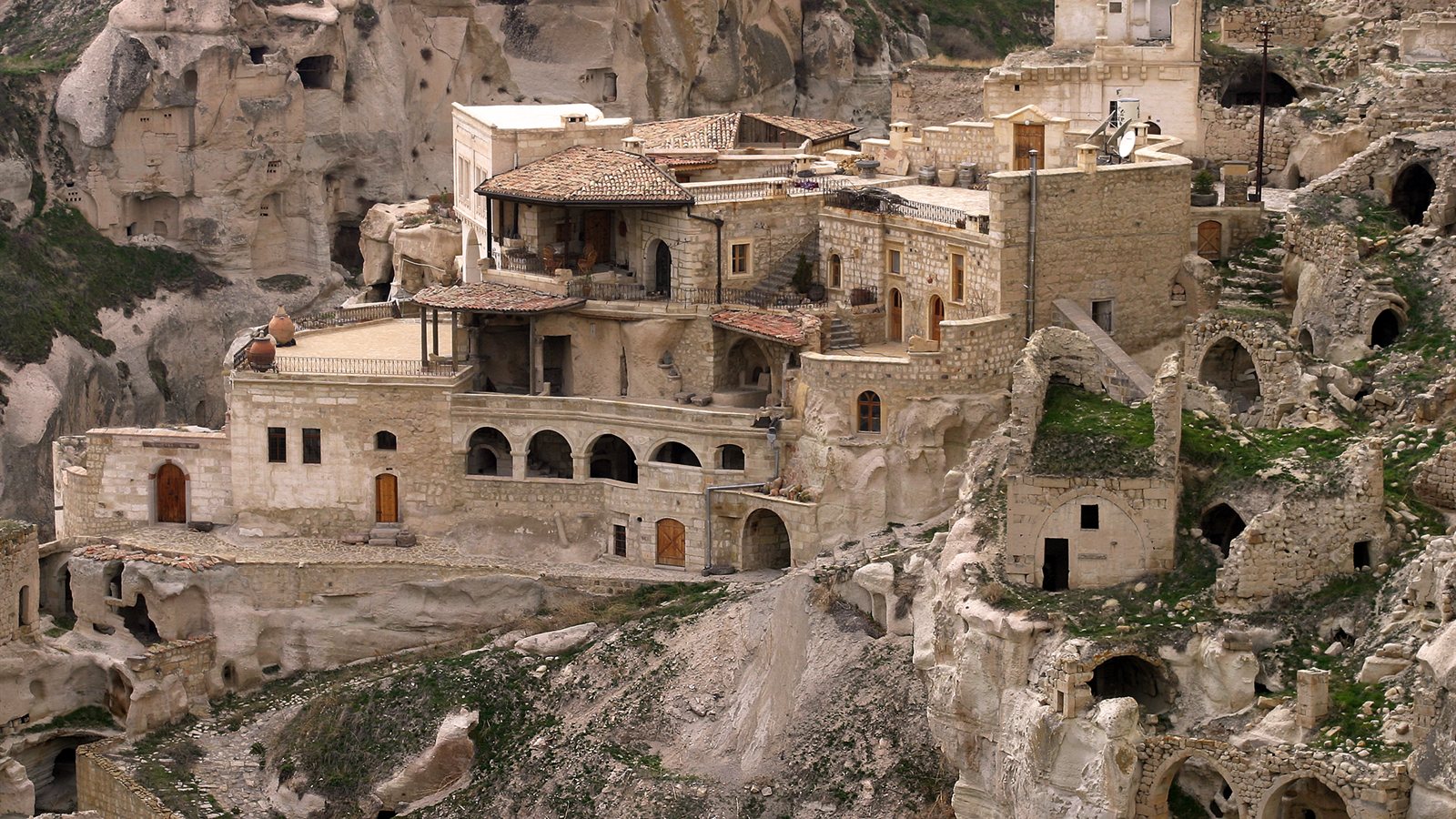
Rock-cut dwelling carved into a soft stone hillside

About us

A Mason, an Engineer and Twenty Years of Old Walls

The practice was formed by a stonemason trained in traditional lime work and a structural engineer who spent a decade assessing damaged rural buildings after earthquakes. They met arguing about a vault: the engineer wanted to remove it, the mason knew it had stood for two centuries and understood why. The vault is still there, and the working method that came out of that argument — understand the structure before touching it — is what the practice now sells.

Most of our work begins with a building somebody has just bought and does not understand. There are cracks that have not moved since the nineteenth century and hairline ones that opened last winter, and telling them apart is worth more than any amount of scaffolding. We survey, we measure, we open small areas to see how the wall is actually built, and only then do we say what genuinely needs doing. Frequently that is less than the owner feared and different from what they expected.

Our masons are trained in the old techniques because the buildings demand them: lime putty mortars slaked and matured properly, stone dressed by hand to match what surrounds it, dry stone laid so it drains, vaults centred on timber formwork the way they were originally built. We also employ a specialist who does nothing but rock-cut interiors, where the material is soft, unpredictable, and unforgiving of power tools.

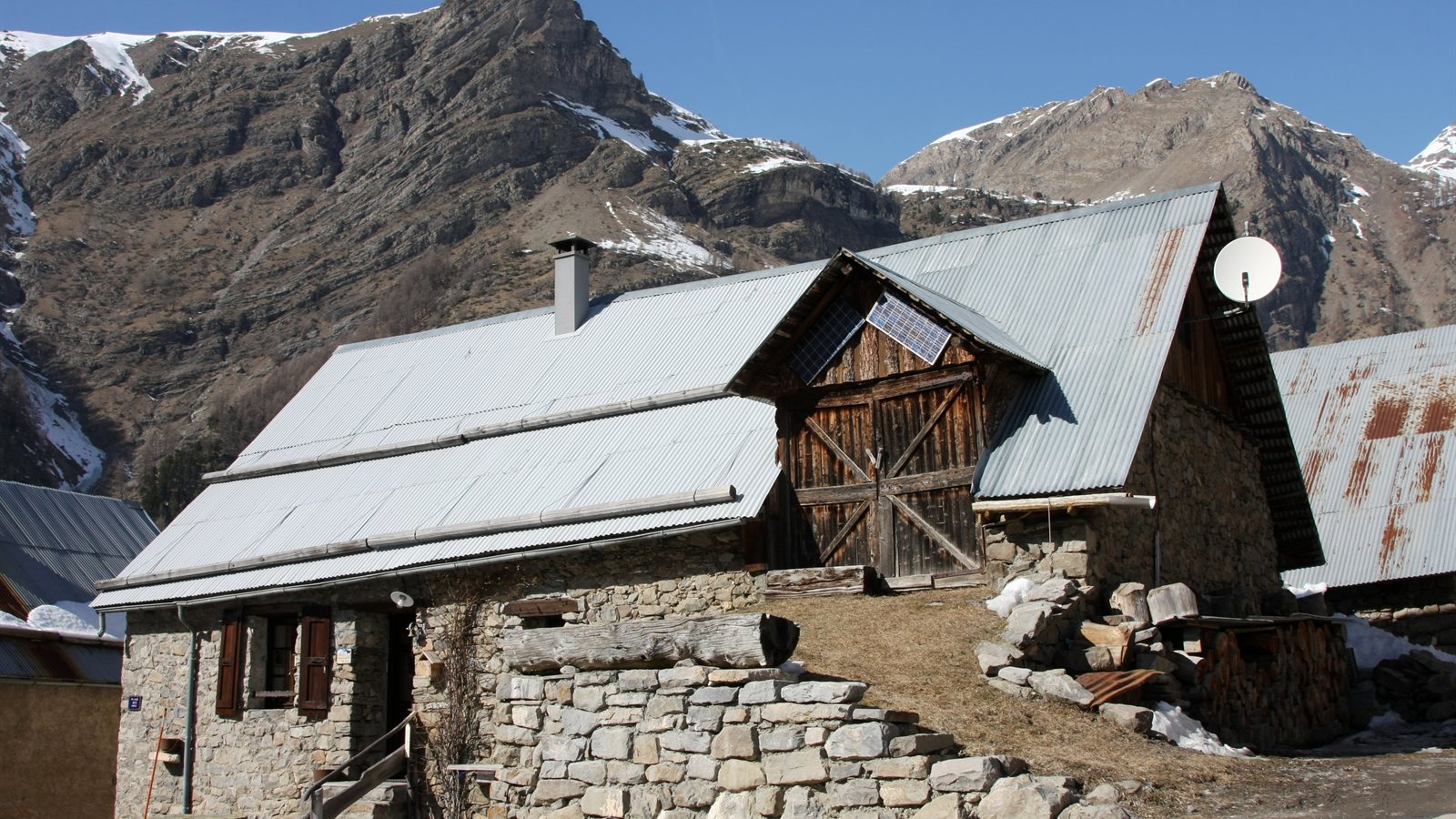
Traditional stone house with shuttered windows in a mountain village

Advantages

What Separates Restoration From Renovation

Six principles that decide whether a stone building survives another hundred years or fails within ten.

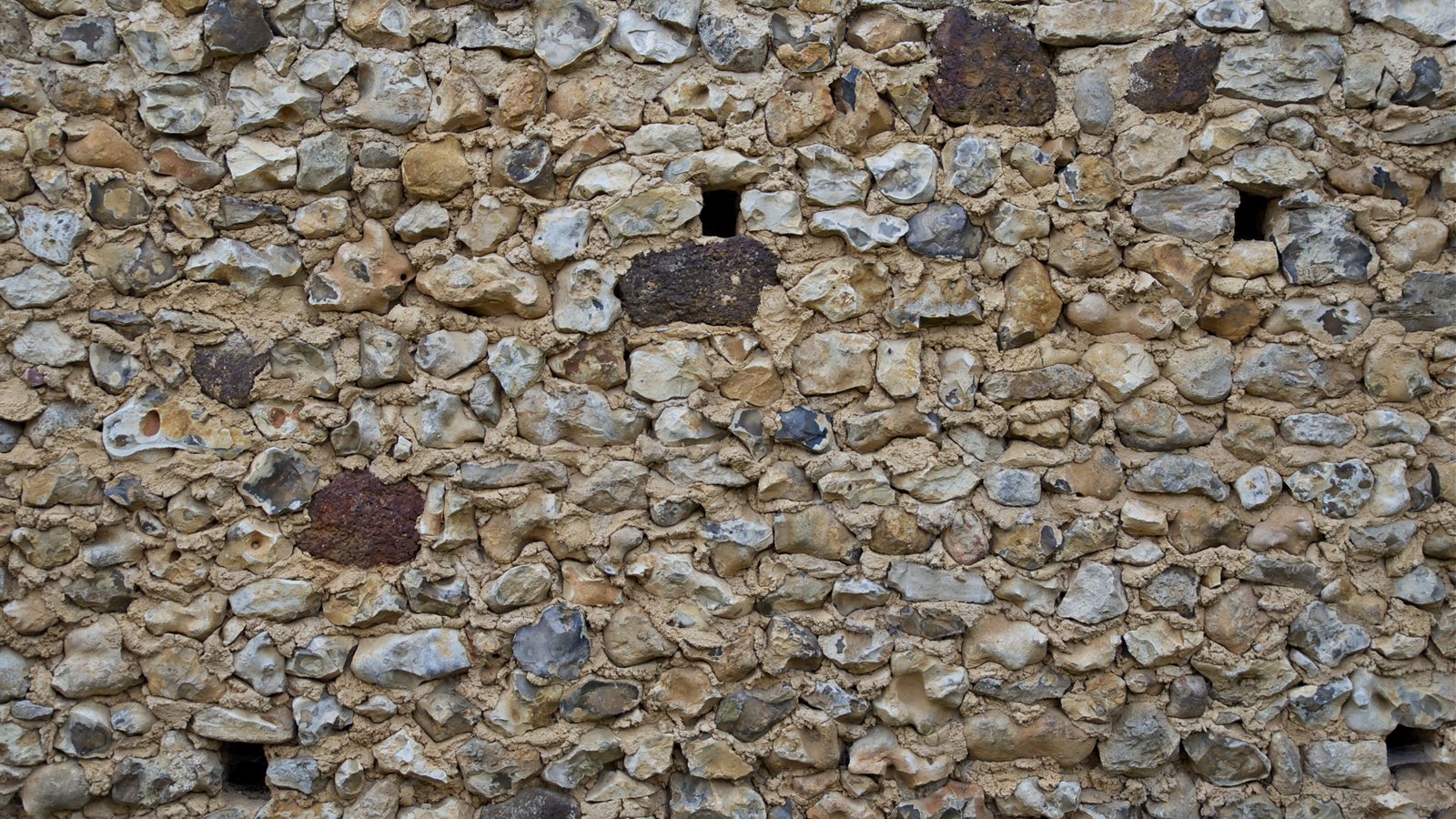
Coursed rubble stone wall of an old church

Lime, Never Cement

A cement pointed wall cannot breathe, so moisture that used to evaporate through the joints leaves through the stone instead, taking the face of it with it. Within a decade you see spalling, salt bloom and rot in the timbers behind. We use matured lime putty mortars mixed to suit the stone, softer than the masonry by design, so the mortar sacrifices itself rather than the building. Removing previous cement work is often the largest single item on our quotations.

Reading Cracks Before Reacting

Every old building has cracks and most of them are historic, stable and structurally irrelevant. The dangerous ones are usually thinner and rarely where a worried owner is pointing. We monitor with tell-tales across a season, examine the pattern rather than the width, and look at what the ground is doing before blaming the wall. Half our surveys conclude that the movement finished generations ago and the money is better spent on the roof.

Rock-Cut Rooms Understood

Cutting into soft rock behaves nothing like building with stone: the material varies within a single wall, it flakes when it dries too fast, and an enlarged opening can quietly remove the support a ceiling relied on. Our specialist works by hand, takes ceilings and thresholds as fixed unless proven otherwise, and treats existing niches, chimneys and cisterns as evidence about how the space was used rather than as obstacles to a new layout.

Damp Solved by Drying, Not Sealing

The instinct with a wet wall is to seal it, and it is almost always wrong: waterproof renders and membranes push moisture sideways and upwards until it emerges somewhere less convenient. We find where water enters, correct the ground levels and drainage that usually cause it, remove the impermeable layers somebody applied earlier, and let the wall dry through breathable lime plasters. Ventilation and heating patterns get discussed as seriously as the masonry.

Services Hidden Without Chasing

Plumbing and wiring in a rubble wall usually means cutting channels that weaken it and destroy the plaster archaeology. We route services in floor build-ups, behind new partitions, inside existing flues and along the backs of stairs, planning them with the client at design stage rather than improvising when the electrician arrives. Underfloor heating in a lime-based screed suits these buildings far better than radiators fixed to fragile walls.

Permits Handled Properly

Traditional settlements and listed structures come with conservation rules that catch owners by surprise, and unauthorised work is expensive to undo. We know which authority governs which type of building, prepare the drawings and reports they expect, and have a working relationship with the officers who assess them. Applications we submit are approved far more often than those clients attempt alone, and the process starts before anyone buys materials.

Old dry stone farm wall in the countryside

Services

Work We Undertake

Surveys, masonry repair, vaults and roofs, cave interiors, damp and services, and full project management.

Condition Surveys and Reports

A detailed inspection of structure, roof, walls, floors, drainage and previous interventions, with a written report that separates what is urgent from what can wait a decade and what is simply the character of an old building. Buyers use these before committing, and the report includes realistic cost bands so the figure is not a surprise. Where movement is suspected we install monitoring and report again after a season rather than guessing.

Masonry Repair and Repointing

Raking out failed and cement pointing by hand, rebuilding bulged or collapsed sections stone by stone with the original material where it can be recovered, cutting new stone from compatible quarries where it cannot, and repointing in matured lime mortar mixed to match the original in colour and strength. Dry stone terraces, boundary walls and threshing floors are rebuilt using the same techniques rather than being bedded in mortar.

Vaults, Arches and Roofs

Stabilising and rebuilding stone vaults on traditional timber centring, resetting arches and lintels, repairing timber roof structures with scarfed joints instead of steel where the original member can be saved, and relaying stone slabs or tiles on breathable build-ups. Where additional strength is genuinely needed we use ring beams and ties designed to be removable, so a later generation can undo our work without destroying the fabric.

Cave Interiors and Extensions

Consolidating friable rock faces, clearing centuries of accumulated fill without losing the evidence of how a space was used, enlarging or opening rooms only where the geology allows, and forming new light wells and ventilation shafts. Surfaces are finished in lime washes that let the rock breathe and reflect light into rooms that have only one opening. All cutting is done by hand tools, slowly, with the ceiling profile treated as fixed.

Damp, Insulation and Services

Diagnosing the actual route water is taking, correcting external levels and drainage, removing impermeable renders, and replastering with breathable lime systems. Insulation uses vapour-open materials such as lime hemp and wood fibre rather than sealed boards that cause condensation inside the wall. Wiring, plumbing and underfloor heating are planned to avoid chasing the masonry, and we coordinate the trades so nobody improvises with an angle grinder.

Permits and Project Management

Drawings, structural calculations, heritage statements and applications to the authorities responsible for traditional settlements and protected buildings, followed by full management of the site: sequencing, subcontractors, materials, budget tracking and weekly reports with photographs for owners who live abroad. Most of our clients are not in the country during the works, so the reporting is detailed enough that nobody has to take our word for progress.
Contacts

Surveys, Estimates and Site Visits

If you are considering buying a stone or cave property, arrange the survey before the purchase rather than after it — the report frequently changes the price that makes sense. Send photographs of the exterior, the roof and any cracks that concern you and we will tell you what we can see before travelling.

We work across the mainland and the islands, and quotations for travelled work include the visit at no extra charge.

Workshop24 Odos Kastoros, 741 32 Rethymno, Crete, Greece

Phone+30 283 105 47 92

Emailpetranera@live.com

Office hoursMonday–Friday 08:00–17:00, Saturday by appointment